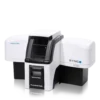
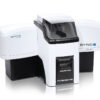
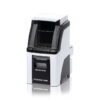


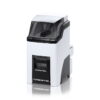
Maximum Performance by Design
Across industries such as pharmaceuticals, food, coatings, personal care, and advanced manufacturing, understanding particle characteristics is essential to ensure real-world suitability. Materials can vary widely—large or small, spherical or irregular, dispersed or agglomerated—and so do measurement requirements and methods.
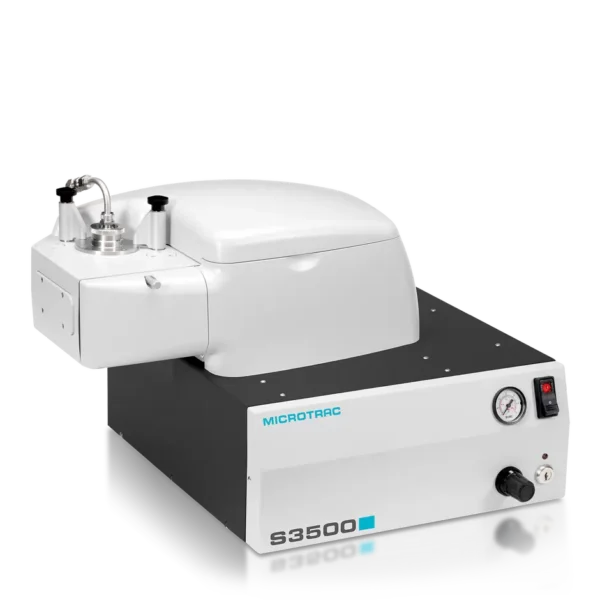
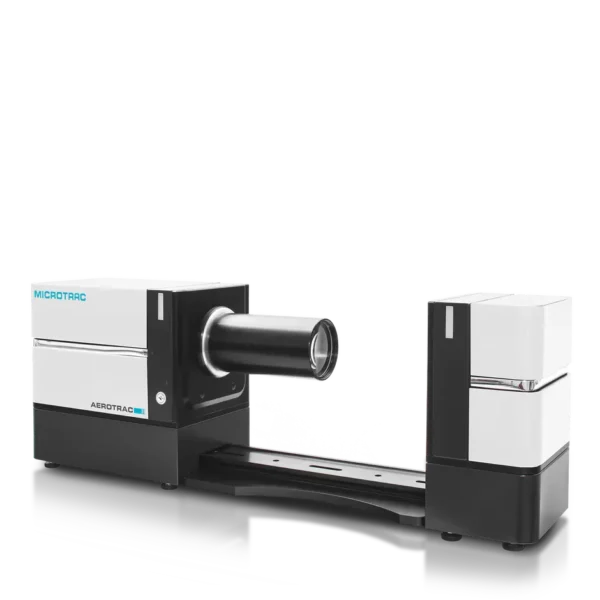
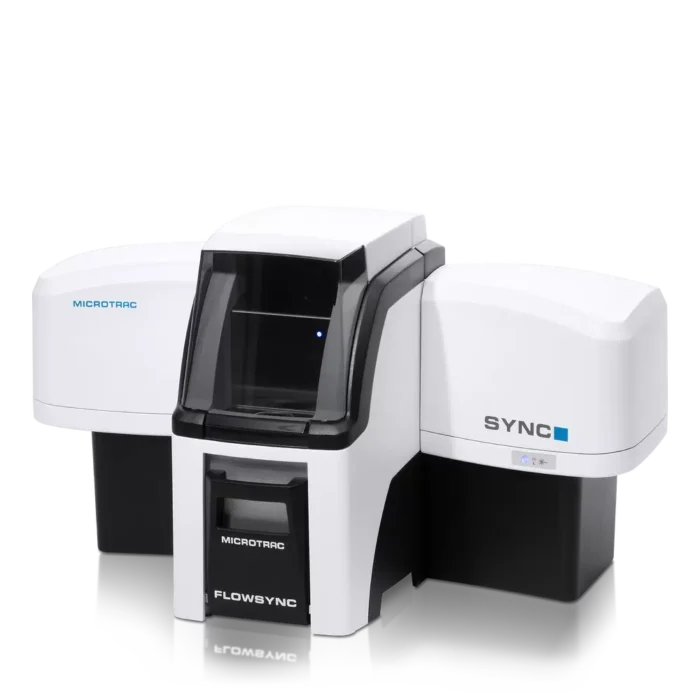
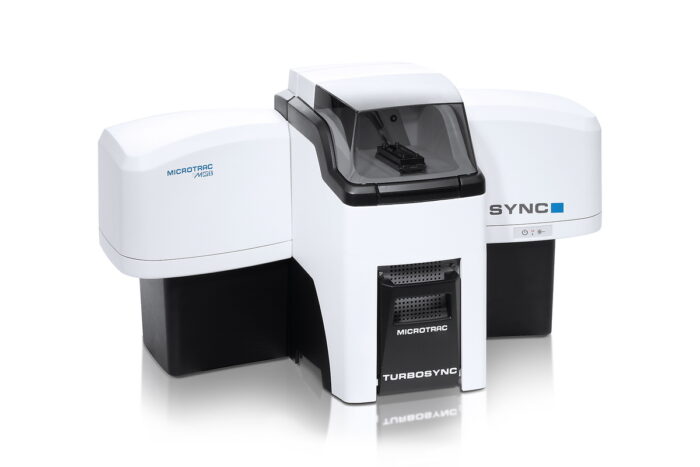
The MICROTRAC SYNC platform is designed with this diversity in mind. It adapts to different applications, workflows, and user needs—delivering precise particle characterization without compromise.
- Laser diffraction with patented Tri-Laser technology
- Wide-angle detection (0–165°) for high-resolution data
- Combined platform for diffraction and image analysis
- Seamless wet & dry measurements
- Compact, space-efficient design
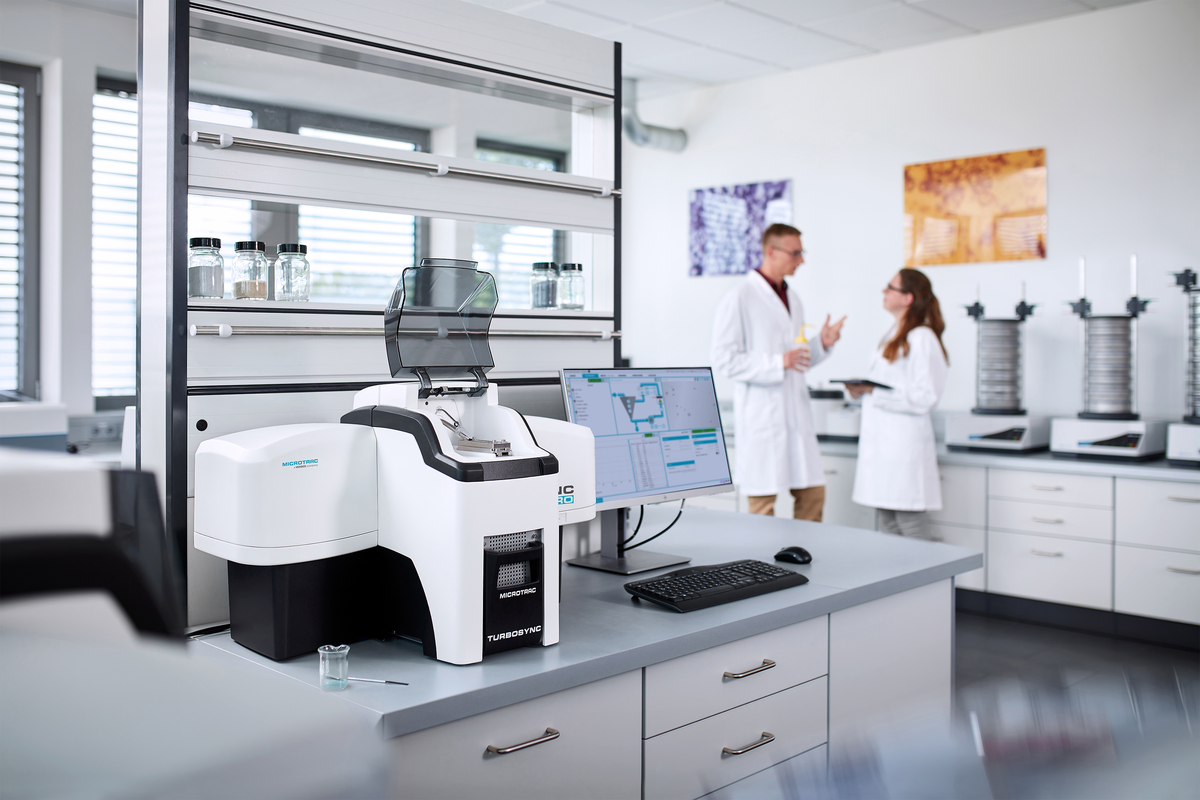
One Platform. Three Levels of Performance.
Find the SYNC That Fits Your Lab

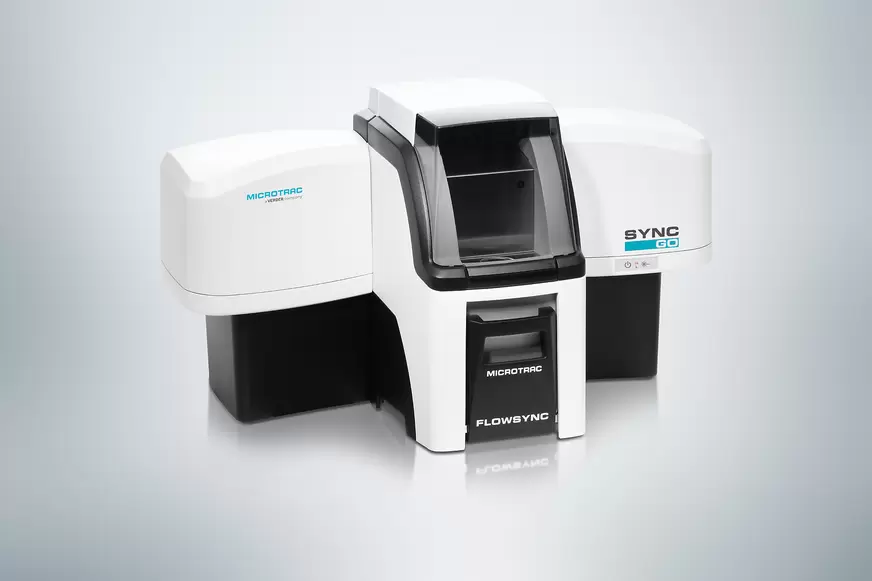
Simple, Flexible, Cost-Effective Particle Size Analysis
- Dry range: 0.1 – 2000 µm
- Wet range: 0.1 – 2000 µm
- Manual operation
- 3 red lasers
- Upgradeable with imaging and automated operation

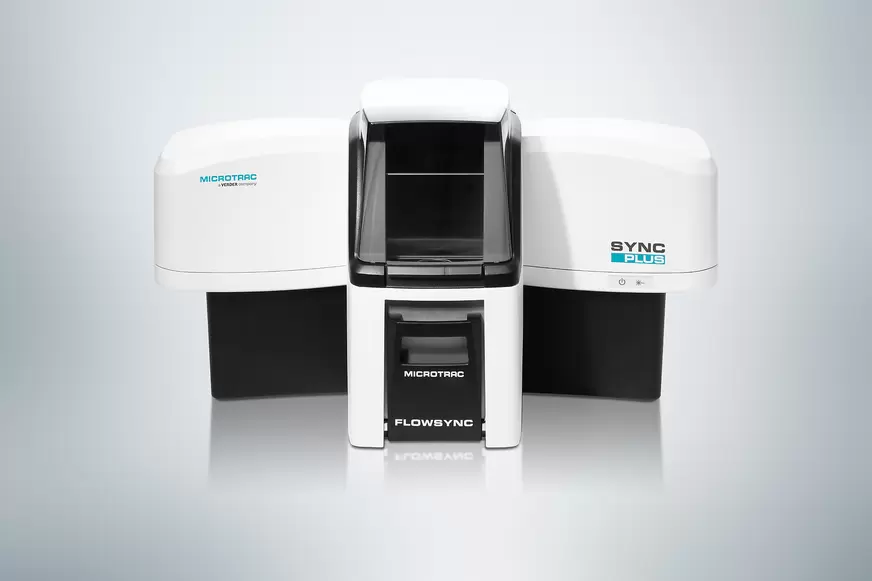
Particle Size and Shape in One Optical Bench, With Automation
- Dry range: 0.1 – 4000 µm
- Wet range: 0.02 – 2800 µm
- Automatic operation
- 3 red lasers
- Supports small-volume and sensitive samples

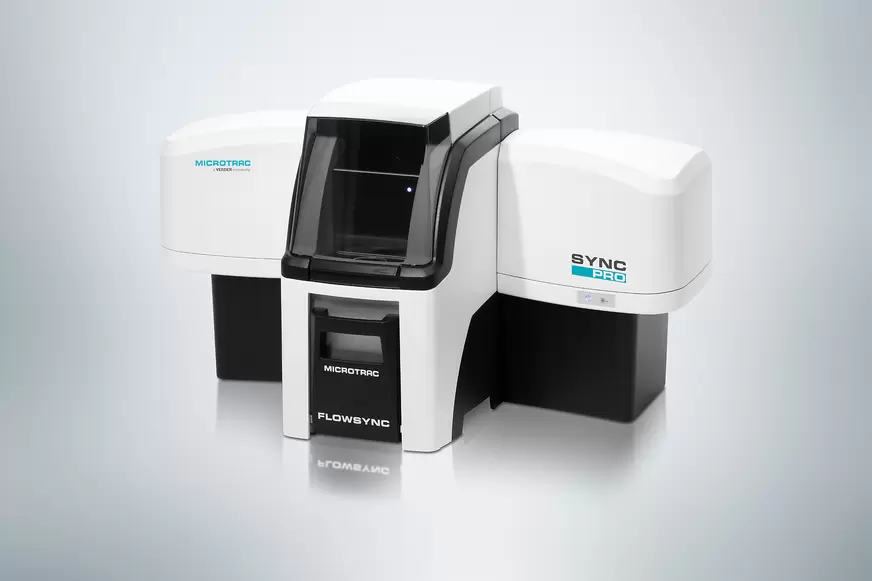
Advanced Performance With Sub-Micron Precision
- Dry range: 0.1 – 4000 µm
- Wet range: 0.01 – 2800 µm
- Automatic operation
- 1 red, 2 blue lasers (for submicron analysis)
- Compatible with all sample handling options
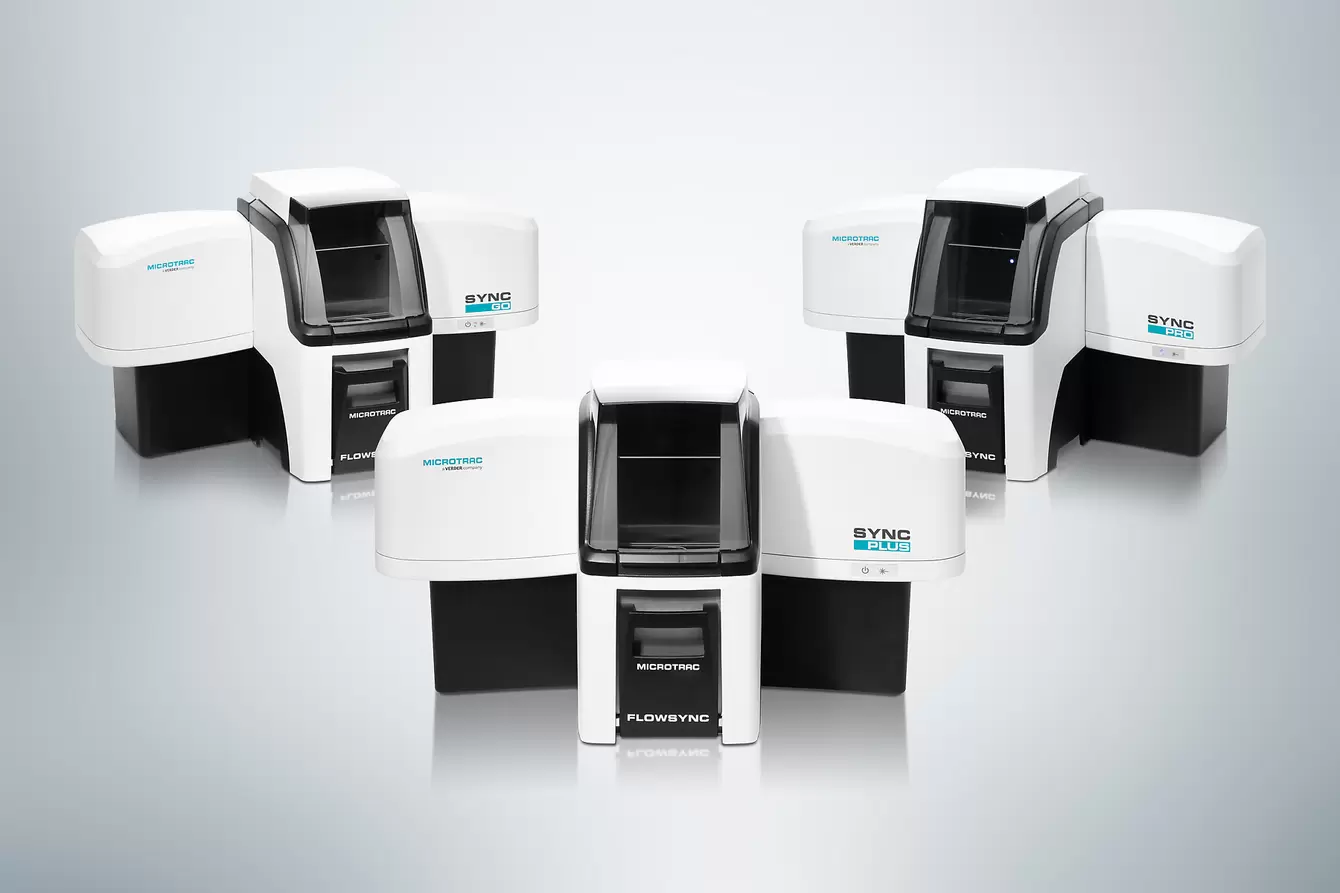
Particle Size and Shape Analyzer SYNC Series Industry-Leading Technology
MICROTRAC’s expertise in laser diffraction and dynamic imaging provides a strong foundation for developing advanced, industry-leading particle characterization solutions.
- Laser diffraction with Fraunhofer & Mie theory, compliant with ISO 13320:2020 and ISO 13322-2
- Measurement range: 0.01 – 4000 µm
- Patented Tri-Laser system with detection up to 165°
- Multi-wavelength lasers (780 nm red, 405 nm blue) for sub-micron sensitivity
- Compensation for spherical & irregular transparent particles
- Accurate resolution of narrow and multimodal distributions
- Detection of trace oversized & undersized particles
- Synchronous measurement + BLEND analysis for size and 30+ shape parameters
- Fast results in ~30 seconds
- Quick module changes (wet/dry, manual/auto) in < 15 seconds
- Full IQ / OQ validation, compliant with FDA 21 CFR Part 11
Particle Size and Shape Analyzer SYNC Series Versions & Accessories
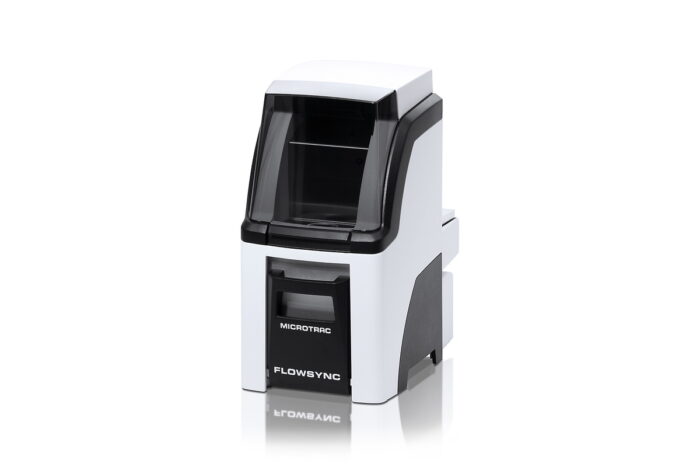
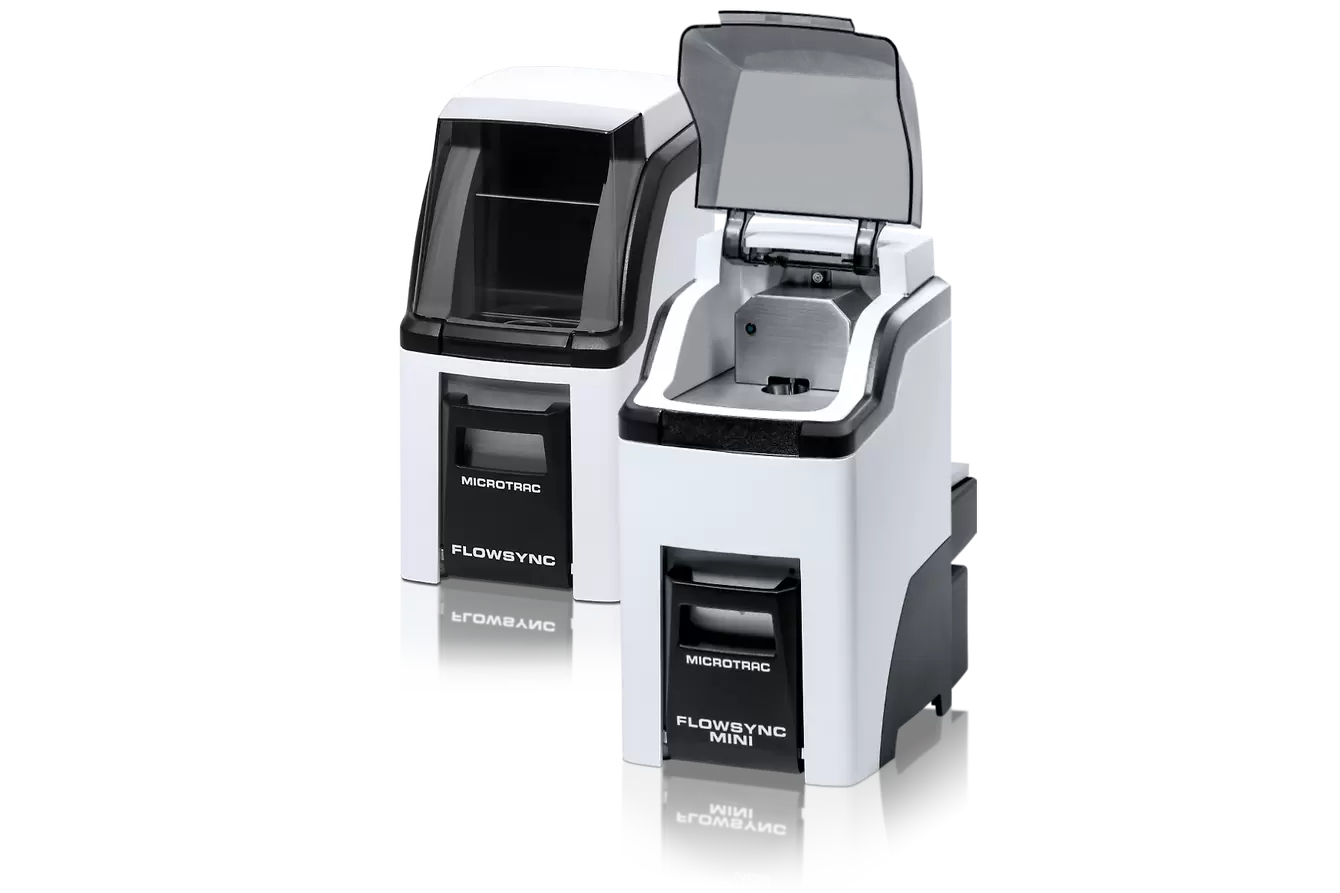
FLOWSYNC & FLOWSYNC MINI
Sample Dispersion Unit for Wet Measurements
The FLOWSYNC systems automate wet sample handling to deliver highly consistent and repeatable particle size and imaging results. From filling to circulation and cleaning, every step is controlled to ensure reliable measurements across a wide range of applications.
Key Benefits
- Automated workflows for filling, de-aerating, circulation, and cleaning
- Consistent dispersion with in-line ultrasonic probe (FLOWSYNC)
- Programmable SOPs for fully reproducible measurement routines
- Integrated pumping system for easy solvent and water connection
- Built-in turbulence eliminates need for external stirring
- Broad solvent compatibility, including organic solvents
- Self-cleaning design prevents cross-contamination
- Flexible volumes: 200 ml (FLOWSYNC) / 40 ml (MINI)
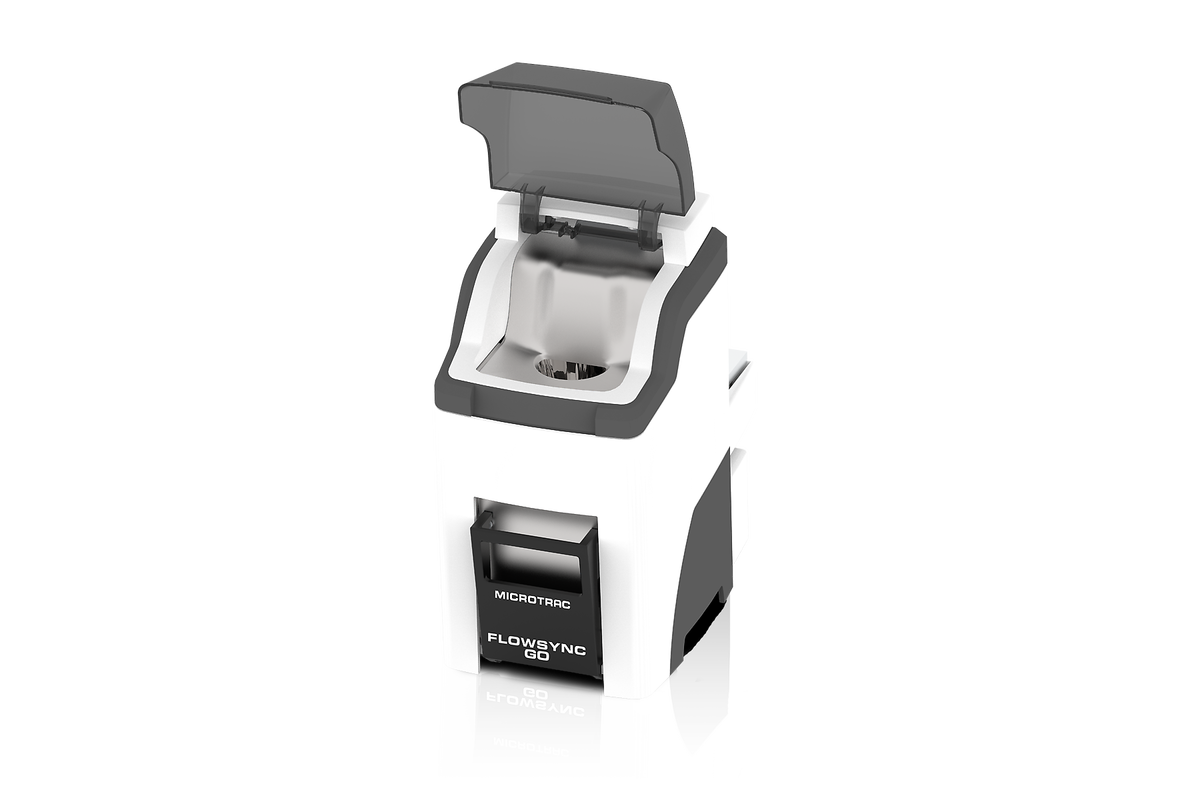
FLOWSYNC GO
Sample Handling Made Simple
The FLOWSYNC GO is a manual wet dispersion unit designed for simple, consistent particle size measurements. It combines user controlled sample handling with software-guided operation for reliable and repeatable results.
Key Benefits
- Manual filling with software-controlled flow, speed, and drain
- Consistent circulation for improved measurement repeatability
- Adjustable SOP settings for optimized measurement conditions
- Compatible with Dynamic Image Analysis and BLEND technology
- Seamless integration with all SYNC platforms
- Built-in turbulence for effective dispersion without stirring
- Supports a wide range of solvents, including organics
- Flexible volume range at 150 – 300 ml
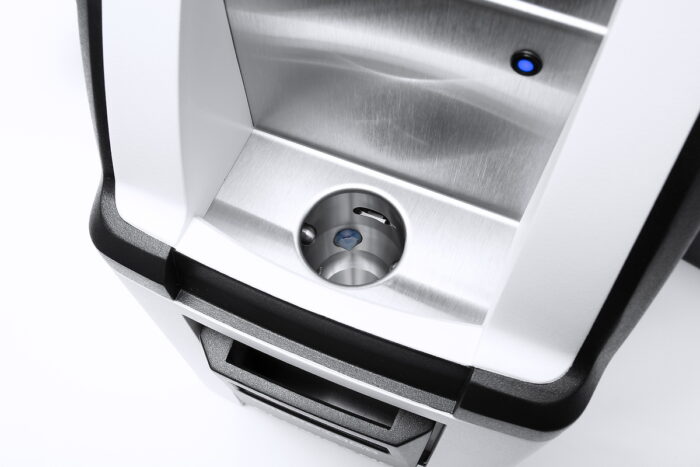
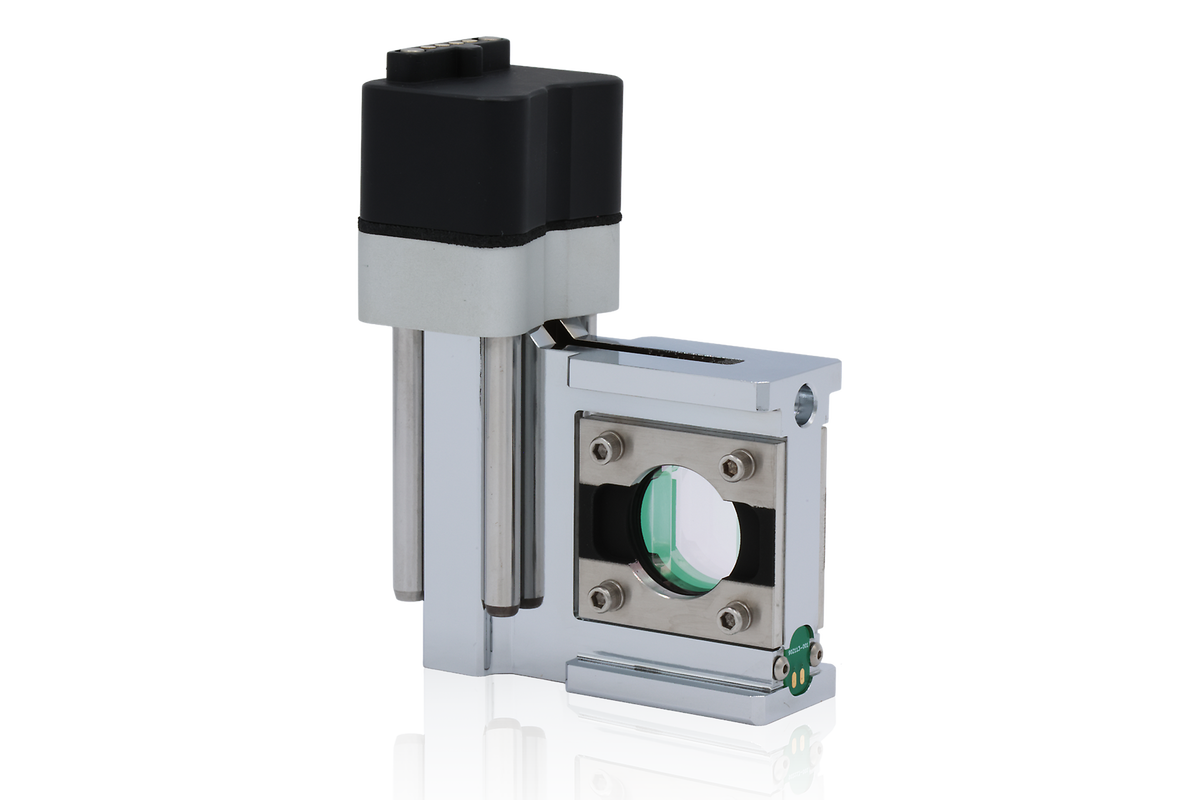
Small Volume Cell for Use with FLOWSYNC
Analyze Precious or Limited Samples with Confidence
The Small Volume Cell (SVC) enables precise particle analysis when sample volume is limited, valuable, or hazardous. It is ideal for applications where minimizing material use is critical without compromising measurement quality.
Key Benefits
- Minimal sample volume down to 8 ml
- Safe handling of toxic or high-value materials
- Integrated stirring for stable and accurate dispersion
- 0.01 – 500 µm range (density dependent)
- Chemical-resistant design (stainless steel, quartz, Teflon)
- Easy integration with FLOWSYNC systems
- SmartCell ID for automatic recognition and setup
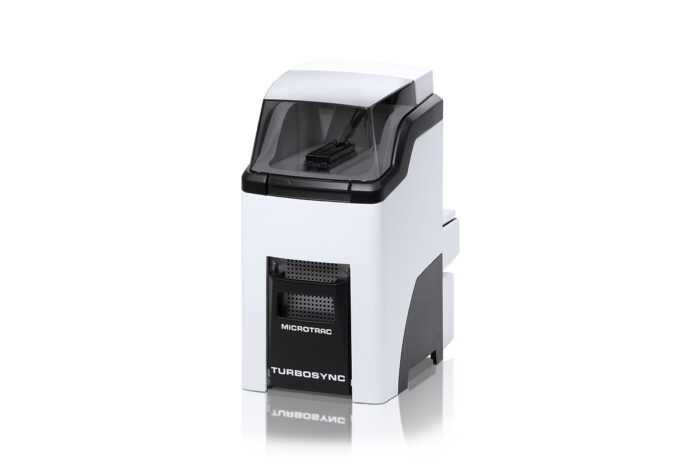
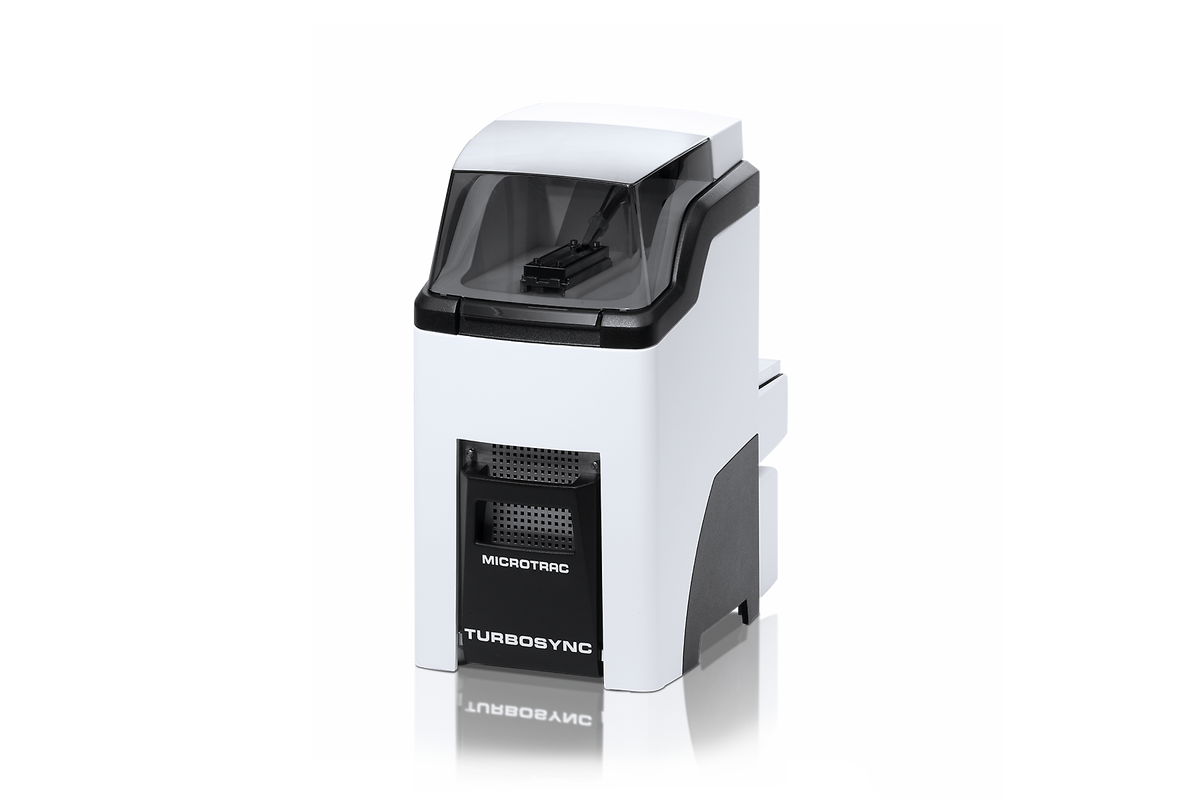
TURBOSYNC
DISPERSION MODULE FOR DRY MEASUREMENTS
The TURBOSYNC module ensures reliable dry dispersion for consistent and repeatable particle size analysis. Powder samples are introduced via a moving tray, enabling controlled and reproducible measurements across a wide range of materials.
Key Benefits
- Controlled dispersion with adjustable air pressure up to 50 psi (345 kPa)
- Optimized for all materials, from agglomerated to fragile powders
- Handles very small samples down to 0.1 cm³
- Supports larger volumes with removable and combinable trays
- Automated measurements via FLEX software
- Fast analysis times typically 10 – 40 seconds
- High repeatability across samples and instruments
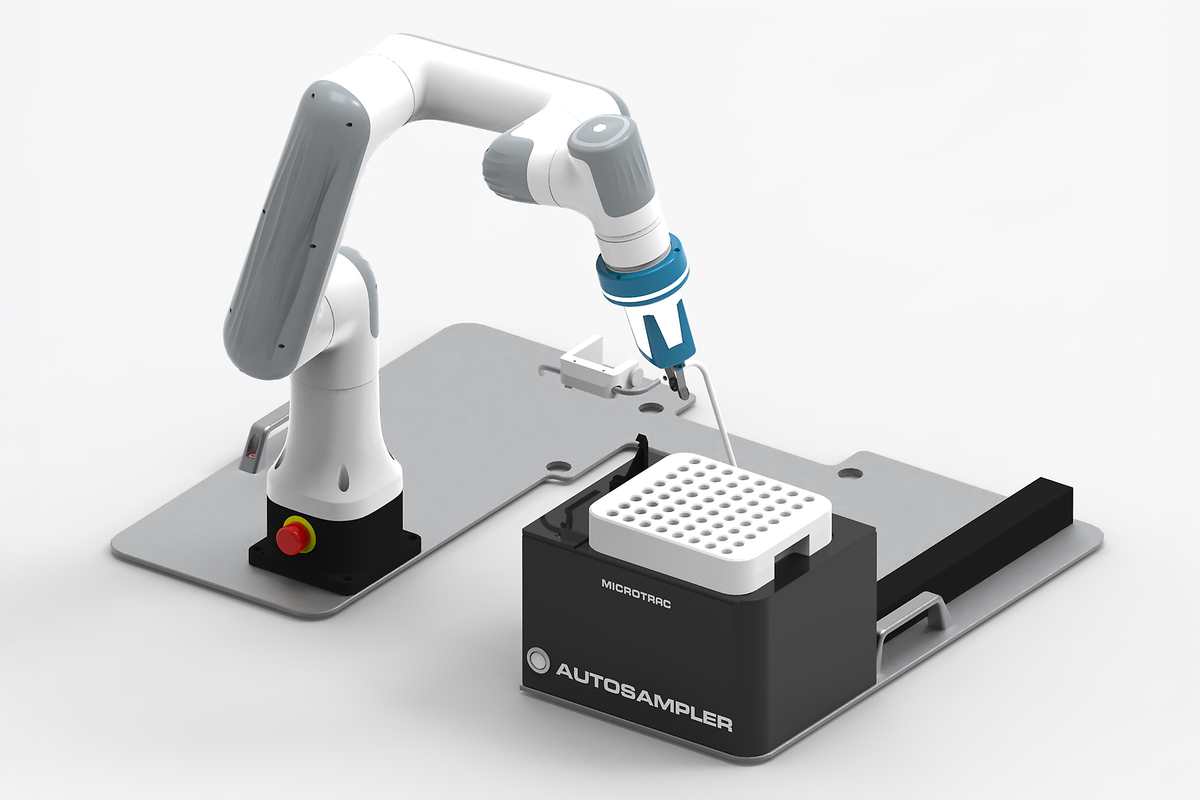
MICROTRAC Autosampler
Laboratory Automation for Particle Analysis
The MICROTRAC Autosampler automates particle size analysis by integrating seamlessly with SYNC analyzers and automated FLOWSYNC systems. It enables high-throughput, consistent measurements with minimal user interaction.
Key Benefits
- Automated sample handling for up to 64 vials per run
- Full SOP control via Dimensions LS software
- Flexible method setup (flow rate, run time, refractive index, rinse cycles)
- Barcode identification for reliable sample tracking
- Complete sample transfer with integrated vial wash-down
- Safe operation using a programmable cobot arm with emergency stop
- Fully unattended operation once the sequence is started
- High reproducibility with consistent sample delivery
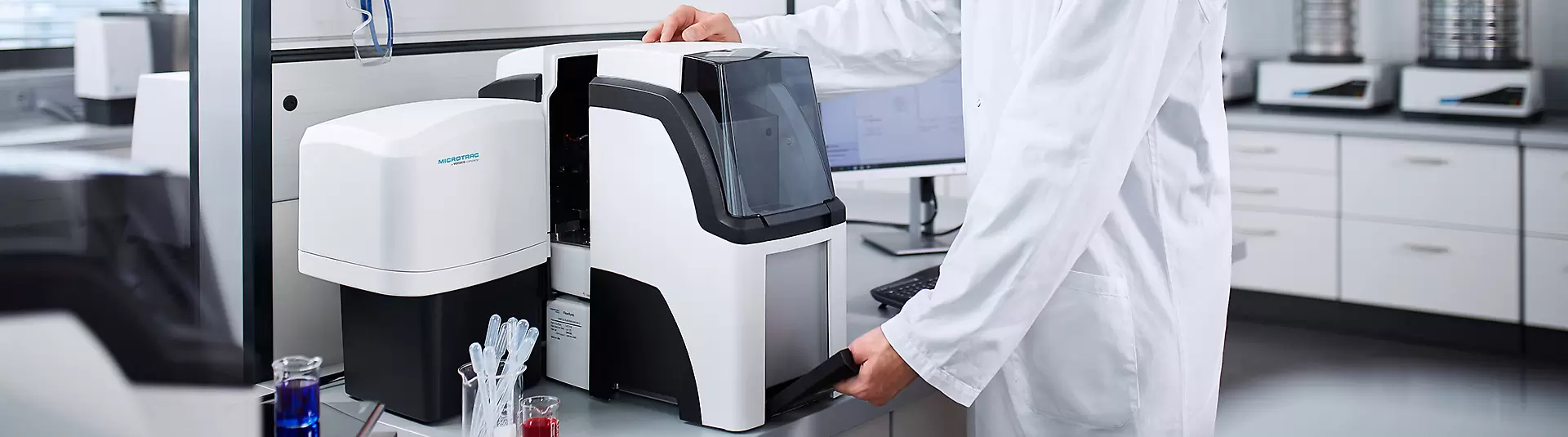
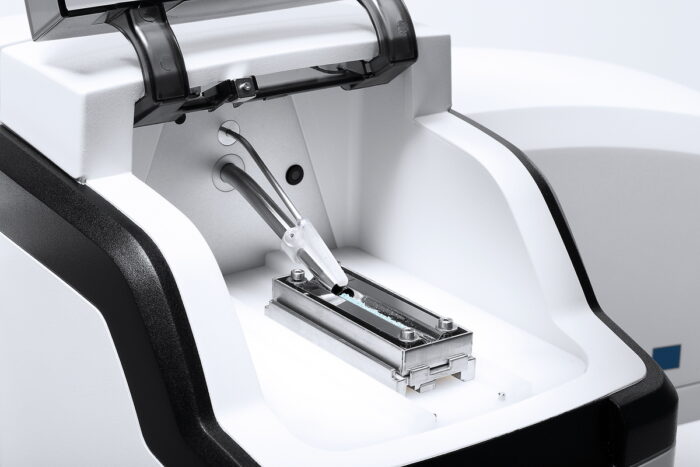
Change Between Dry & Wet Modules
No other particle analyzer allows more rapid change from wet to dry and vice versa.
The modules can be removed from the analyzer with a single movement and reinstalled just as easily. All necessary cables and hoses are permanently connected to the back of the analyzer. This means that no changes to the measuring instrument or modules are required during the actual changeover.
Removal of measuring cells or tedious plugging and un-plugging of mechanical and electrical connections is no longer necessary. This makes the process a real plug-and-play operation.
Particle Size and Shape Analyzer SYNC Series
Laser Diffraction Analyzer With the Patented Tri-Laser System
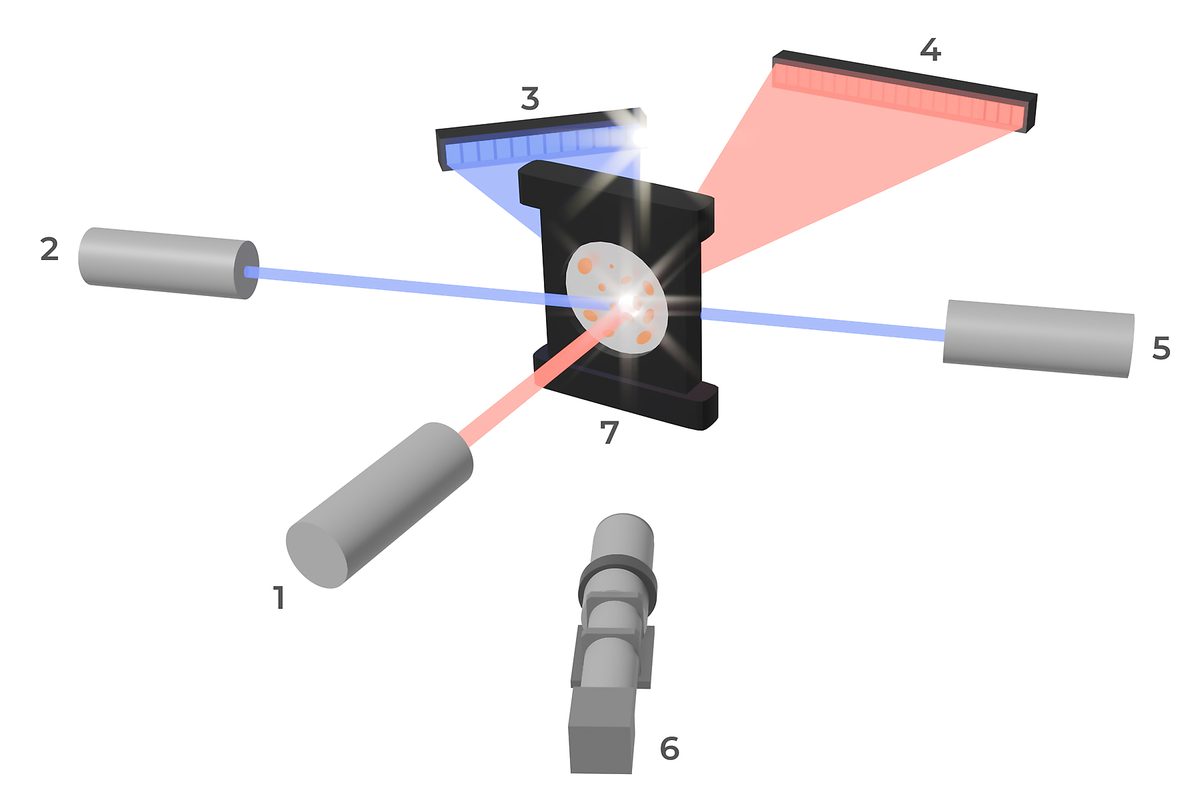
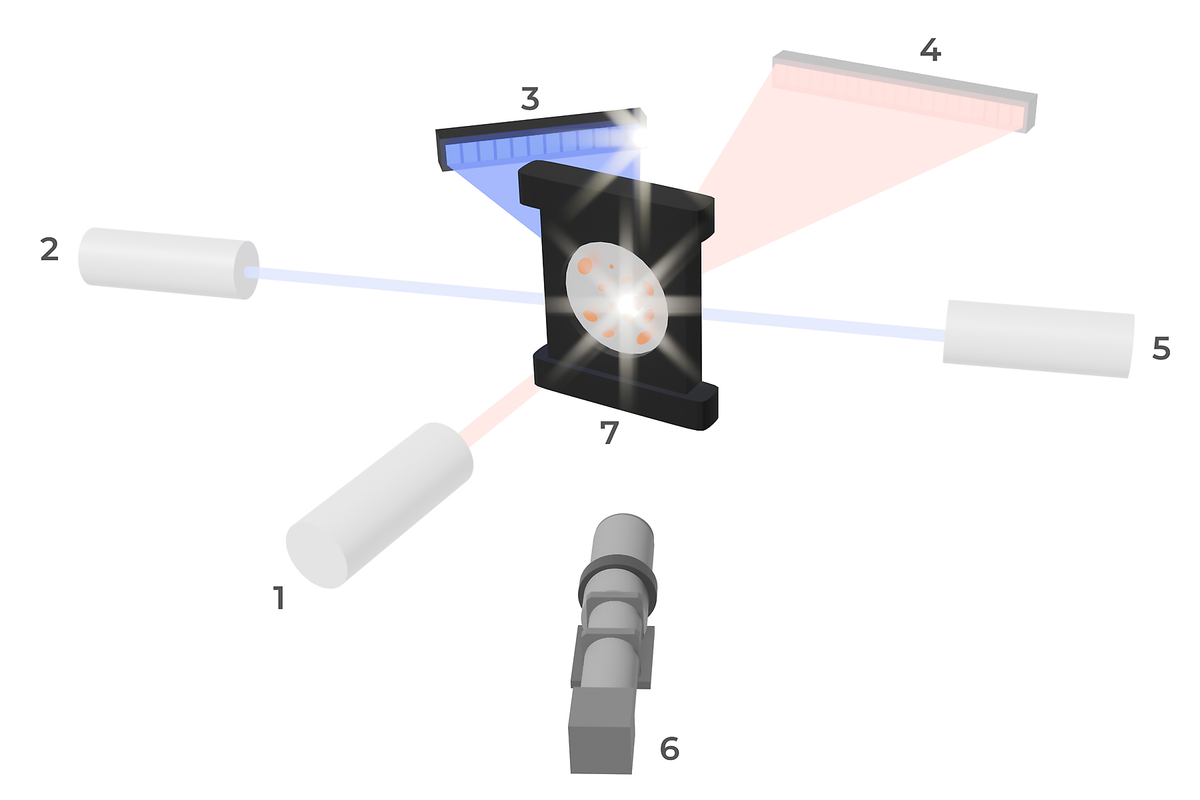
Laser Diffraction (LD) is the established standard for particle size analysis in research and quality control. A dispersed sample is illuminated by a laser, and particle size distribution is calculated from the resulting scattering pattern.
MICROTRAC systems measure scattered light across a wide angular range (0–165°) using dual detectors and a tri-laser setup with red and optional blue lasers. Smaller particles scatter at larger angles, larger ones at smaller angles, with intensity captured continuously. Using a modified Mie theory, the system delivers accurate results for spherical and non-spherical particles, as well as transparent and absorbing materials.
1. Laser #1 (red) 2. Laser #2 (red or blue) 3. High-angle detector 4. Forward detector 5. Laser #3 (red or blue) 6. High-resolution camera 7. Sample cell
New Opportunities
Integrated Dynamic Image Analysis
Particle characterization is no longer limited to size alone. Dynamic Image Analysis (DIA) adds detailed insight into particle shape and morphology, revealing differences that may not appear in laser diffraction results but can significantly impact performance.
Particles in a flowing stream are illuminated by a stroboscopic light and captured by a high-speed camera, generating a continuous image dataset. Over 30 size and shape parameters are calculated per particle, with powerful software tools enabling filtering, visualization, and evaluation of specific particle populations in formats such as scatter plots.
Particle characterization is no longer limited to size alone. Dynamic Image Analysis (DIA) adds detailed insight into particle shape and morphology, revealing differences that may not appear in laser diffraction results but can significantly impact performance.
Particles in a flowing stream are illuminated by a stroboscopic light and captured by a high-speed camera, generating a continuous image dataset. Over 30 size and shape parameters are calculated per particle, with powerful software tools enabling filtering, visualization, and evaluation of specific particle populations in formats such as scatter plots.
1. Laser #1 (red) 2. Laser #2 (red or blue) 3. High-angle detector 4. Forward detector 5. Laser #3 (red or blue) 6. High-resolution camera 7. Sample cell
The Best of Two Worlds
Combining Laser Diffraction With Dynamic Image Analysis
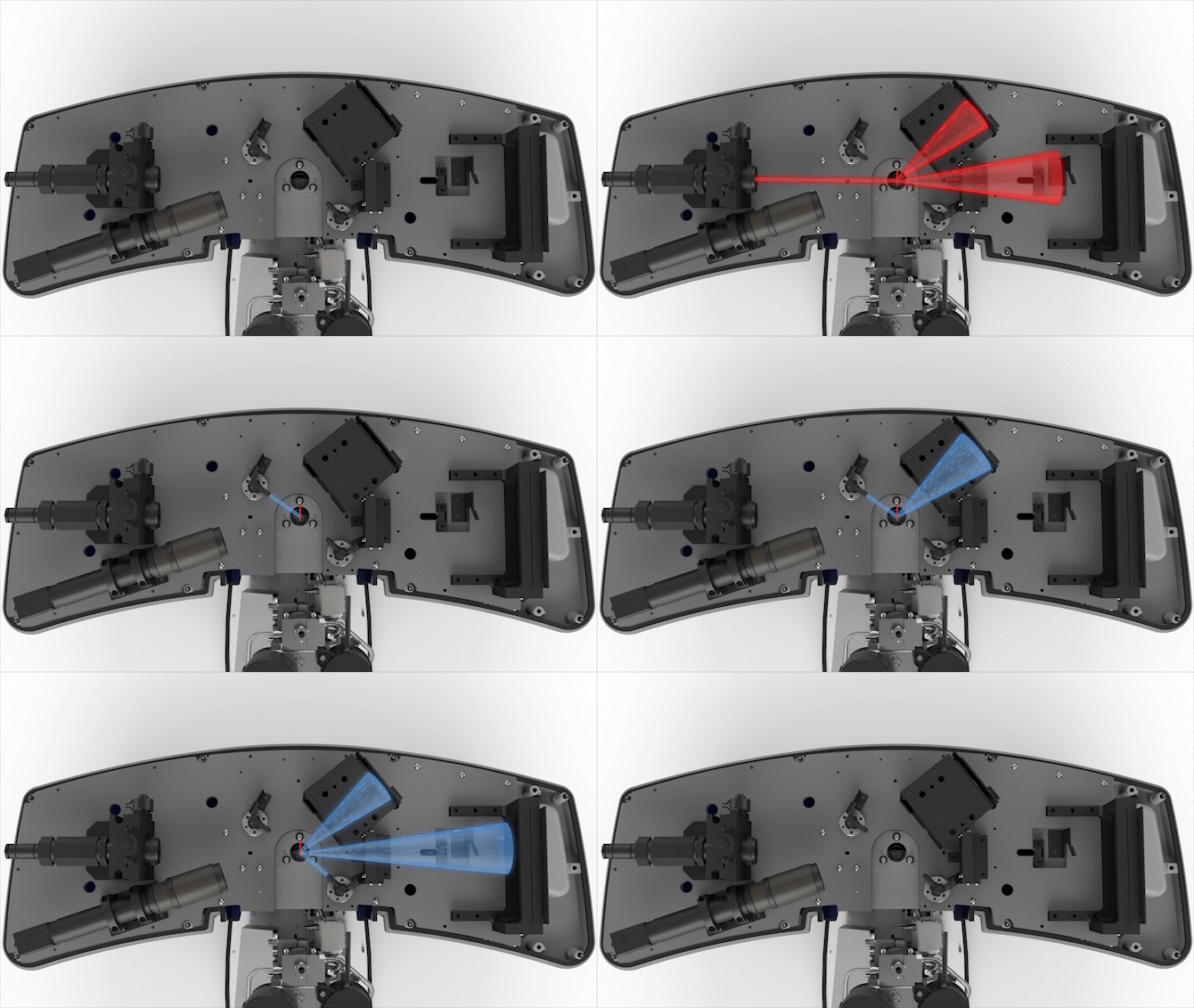
The MICROTRAC SYNC platform combines laser diffraction and dynamic image analysis in a single measurement, enabling simultaneous access to particle size and shape. Its Tri-Laser technology ensures accurate, repeatable results, while integrated imaging provides additional insight into morphology and dispersion quality in both wet and dry measurements.
As particles pass through the measurement cell, they are analyzed by lasers and imaged at the same time. This allows evaluation of both overall particle size distribution and individual particles from a large image dataset. With the patented BLEND feature, users can analyze or combine both data sets, supporting reliable QC and advanced material characterization.
Particle Size and Shape Analyzer SYNC Series
Optimum Solutions for Every Industry
Laser diffraction is a versatile method widely used in research and industry. MICROTRAC particle analyzers are designed for intuitive operation, robust performance, and minimal maintenance—making them well suited for continuous 24/7 use.
Its high sample throughput and broad measurement range, from nanometers to millimeters, explain its widespread use. However, limitations include reduced resolution for large particles, limited sensitivity to oversize fractions, and no direct shape analysis. By combining laser diffraction with image analysis, the SYNC particle analyzer overcomes these gaps, delivering more complete data and improved overall measurement accuracy.

pigments
- paints / pigments
- ceramics
- chemicals
- industrial minerals
- metal powders
- construction materials
- cosmetics
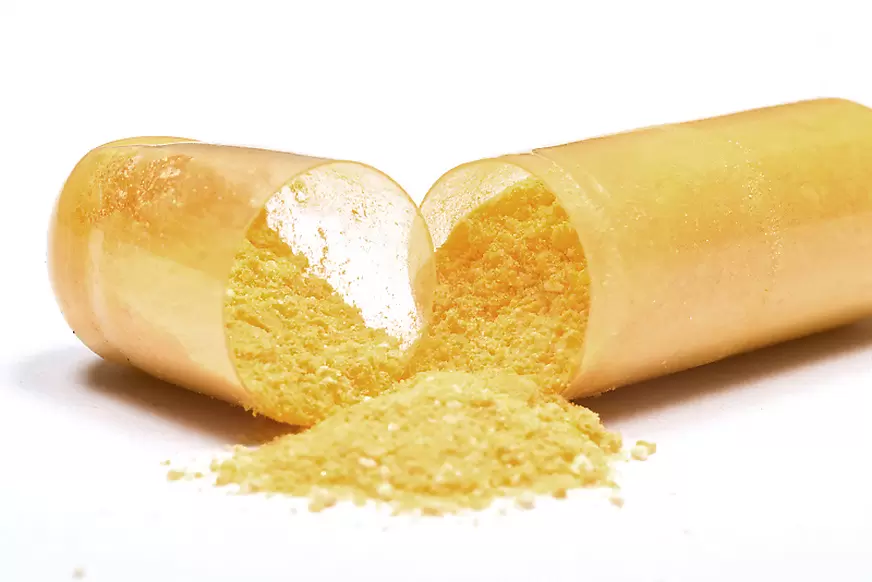
capsules
- pharmaceuticals
- glass / glass beads
- coatings
- food
- 3D printing
- foodstuffs
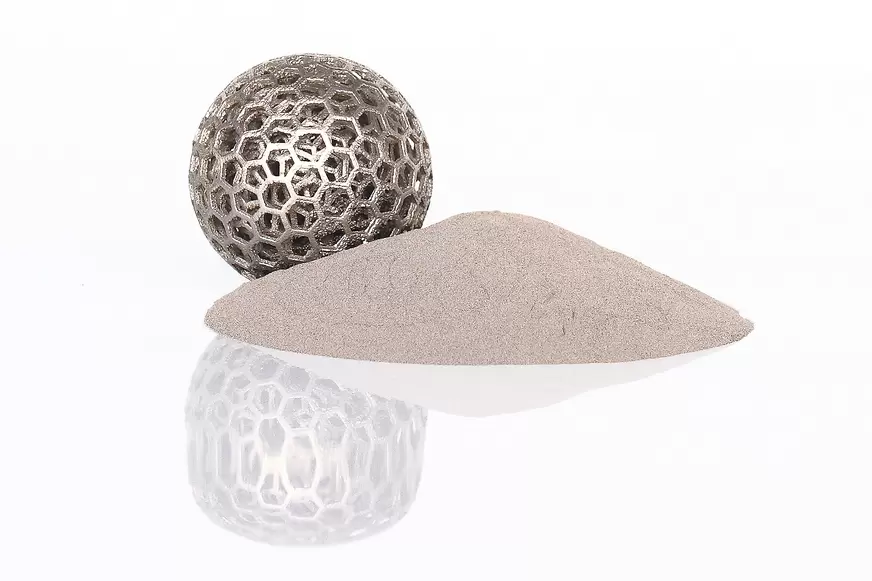
metal powder
- emulsions
- polymers
- battery materials
… and many more!